
Choosing the right AI tools for your online store can feel confusing. That’s why we tested dozens of platforms for you and shortlisted five that actually deliver results — without needing advanced technical or data science knowledge.
These tools cover everything from customer support to smart product recommendations. They help save time, cut operational costs, and allow smaller stores to compete with large retailers. Below, we explain what each tool does best and which type of business should use it.
Why AI Tools Matter for eCommerce in 2026
AI adoption in eCommerce shifted from a “nice to have” feature to a business-critical requirement in 2025. By the end of the year, the global AI-powered eCommerce market had grown to $8.65 billion, with 77% of eCommerce professionals relying on AI tools in their day-to-day operations.
At lxqot, this shift is already visible across online businesses embracing smarter automation. Nearly 84% of eCommerce brands are either actively using AI or preparing to implement it. Stores that adopted AI chatbots recorded a 25% increase in lead conversions in 2025, while AI-driven product recommendations now generate up to 31% of total revenue for retailers that use them strategically.
Three main benefits are driving this rapid adoption:
Automation reduces costs
AI automates repetitive tasks such as ticket routing, demand forecasting, and order queries without increasing staff. Businesses report up to 30% lower support costs while managing double the inquiry volume.
Personalization increases sales
AI-based recommendations can increase revenue by as much as 300%, boost conversion rates by 150%, and raise average order value by 50%. Amazon credits nearly 35% of its total sales to AI-powered recommendations.
Predictive analytics improves decision-making
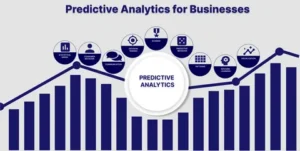
AI tools forecast demand, optimize pricing strategies, and detect market trends before competitors react.
AI has reached a tipping point. Today, 78% of organizations use AI in at least one business function, compared to just 55% the year before. This growth is driven by measurable performance gains — not hype.
For online sellers, the real question is no longer whether to adopt AI, but which tools best address their specific challenges.
eDesk: Best for Customer Support Automation
eDesk is purpose-built for AI-driven customer support in eCommerce. It centralizes messages from multiple platforms and uses AI to prioritize, route, and draft responses efficiently.
Key features include:
-
Omnichannel inbox that combines messages from Amazon, eBay, Shopify, email, and social media. AI automatically connects conversations to the correct orders and customer history.
-
Smart ticket routing assigns queries based on urgency, topic, and language. The system continuously learns from team behavior to improve accuracy.
-
AI-assisted replies analyze sentiment and intent, then suggest response drafts aligned with your brand tone. Agents simply review and refine.
-
Performance analytics track response times, resolution rates, and satisfaction scores, helping teams identify bottlenecks.
Best for: Growing eCommerce businesses selling across multiple marketplaces and handling 100+ tickets per day without wanting to expand support teams at the same pace.
eDesk integrates seamlessly with major platforms and understands eCommerce-specific scenarios like refunds, shipping delays, and order issues. This makes it more effective than general helpdesk tools.
Pricing is flexible and based on ticket volume. Smaller stores can start with entry plans, while larger businesses unlock advanced automation. Free trials allow testing with real workloads.
Shopify Magic: Best Built-In AI for Online Stores

Shopify Magic brings AI functionality directly inside the Shopify admin panel. Merchants can use AI without installing extra apps or managing separate subscriptions.
Core capabilities include:
-
Product description generation that creates SEO-friendly copy from basic product details while matching your brand voice.
-
AI image editing for background removal, lighting adjustments, and bulk image resizing.
-
Smart product recommendations based on browsing behavior and purchase history.
-
Email subject line optimization that predicts which versions will achieve higher open rates.
Best for: Shopify merchants, solo founders, and small teams who want AI features with zero technical setup.
Because Shopify Magic is native to Shopify, integration is seamless and data access is immediate. The tool is included with Shopify plans, with new AI features rolling out continuously.
Klevu: Best for AI-Powered Search and Merchandising
Klevu improves how customers discover products by understanding intent instead of relying only on keywords.
Primary features include:
-
Semantic search that interprets natural language queries like “running shoes for flat feet.”
-
Auto-complete suggestions that predict searches and surface popular products instantly.
-
Personalized search ranking tailored to individual shopper behavior.
-
Visual merchandising controls that prioritize specific products while maintaining personalization.
-
Search analytics revealing zero-result searches, popular queries, and conversion rates.
Best for: Mid-size to large eCommerce stores with 500+ products and steady traffic.
Klevu supports Shopify, BigCommerce, and Magento. While setup requires some technical work, no custom development is needed for standard use cases. Pricing scales with traffic and catalog size.
Jasper: Best AI Content Generator for eCommerce Marketing

Jasper helps brands produce marketing content at scale, including ads, emails, product pages, and landing copy.
Core functionality includes:
-
Pre-built campaign templates for launches, promotions, and abandoned carts.
-
Brand voice training that adapts output to your tone and vocabulary.
-
A/B content generation for testing headlines, CTAs, and messaging.
-
SEO mode that balances keyword targeting with readability.
-
Multi-language support for international campaigns.
Best for: Marketing teams and agencies managing multiple campaigns or brands.
Jasper doesn’t connect directly to eCommerce platforms, so content must be exported manually. Pricing is subscription-based, with higher tiers for heavy usage. Free trials help assess value.
Revieve: Best for Visual AI and Personalized Shopping
Revieve focuses on visual AI for beauty and fashion brands, delivering highly personalized shopping experiences.
Key capabilities include:
-
Skin analysis using uploaded photos to assess concerns and recommend products.
-
Virtual try-on for makeup, hair color, eyewear, and accessories.
-
Personalized routines that bundle multiple products into complete regimens.
-
Progress tracking that shows improvements over time.
-
Diagnostic questionnaires combined with visual data for refined recommendations.
Best for: Beauty, skincare, fashion, hair care, and eyewear brands where personalization reduces returns and increases confidence.
Revieve requires technical integration and works best for established brands with deep product catalogs. Pricing follows an enterprise model with custom quotes .
Comparison Table: Which Tool Fits Your Store
| Tool | Best For | Key Features | Ideal Users |
|---|---|---|---|
| eDesk | Customer support | AI ticketing, omnichannel inbox, sentiment analysis | SMBs to enterprises |
| Shopify Magic | Store automation | Descriptions, images, recommendations | Shopify merchants |
| Klevu | Product discovery | NLP search, personalization, merchandising | Mid-large stores |
| Jasper | Content creation | Ads, brand voice, A/B testing | Marketing teams |
| Revieve | Visual personalization | Skin analysis, virtual try-on | Beauty & fashion brands |
How to Choose the Right AI Tool for Your Business
Start with your biggest operational bottleneck. AI delivers the highest return when solving existing pain points.
Evaluate tools based on:
-
Integration effort – Native integrations reduce setup complexity.
-
Scalability – Ensure the tool supports future growth.
-
Support and training – Strong onboarding improves adoption.
-
Data requirements – Some AI tools need transaction history or image libraries.
Create a testing framework:
-
Track specific metrics during trials.
-
Use real customer data, not demos.
-
Gather feedback from daily users.
-
Calculate ROI using measurable results like time saved and conversion lift.
Future Trends in AI for eCommerce
AI tools today are just the beginning. The next five years will redefine how online stores operate.
What’s Coming in the Short Term (2026–2027)
Agentic AI will operate autonomously, identifying problems and resolving them without constant input.
Examples include automatic inventory reordering and customer service agents capable of completing full resolutions independently. By 2030, AI is expected to handle up to 80% of customer interactions.
Cross-channel data sharing will also become standard, allowing fully personalized interactions across devices and touchpoints.
Medium-Term Developments (2027–2030)
Predictive commerce will anticipate customer needs before they’re expressed.
Voice commerce will influence inventory and promotion strategies.
Hyper-personalization will extend beyond products to pricing, delivery, and checkout experiences — driving up to 40% higher revenue for top performers.
Staying Ahead Without Getting Overwhelmed
The key is approach, not technical mastery.
Start small. Implement AI where it solves real problems. Expand gradually. Focus on customer outcomes rather than flashy features. Assign responsibility for tracking AI trends and testing new capabilities early.
The most successful stores won’t be the ones using the most AI tools — but the ones using AI thoughtfully and strategically.
Ready to Transform Your eCommerce Operations?

AI became essential for online retail in 2025. The tools covered here support different needs — from customer support to discovery to content and personalization.
Choose the tool that tackles your most costly challenge first. Test it with real data. Measure results. Then scale.
The top-performing stores in 2026 aren’t using everything — they’re using the right tools at the right time.