What if your restaurant could handle more orders, cut down wait times, and still deliver great service without adding more staff? That’s no longer a future idea. According to recent press data, 86% of restaurant operators are already comfortable using AI tools in their operations.
In 2026, with ongoing staff shortages and rising costs, restaurants are turning to AI to work smarter, not harder. From automated ordering to robotic delivery, AI tools are reshaping daily workflows, improving efficiency, and enhancing the guest experience.
In this blog on lxqot, we’ll explore the top AI tools helping restaurants overcome today’s operational challenges while preparing for what’s ahead.
Key Takeaways:
- AI and Robotics Improve Efficiency: Automate tasks like delivery, cleaning, and order processing to reduce labor costs and improve operations.
- Solve Labor Shortages: Use technology to replace repetitive tasks and maintain consistent service during peak hours.
- 2026 Tech Trends: Unified systems, AI-driven insights, contactless dining, and smart kitchen tools are reshaping the industry.
- AI Optimizes Operations: Predict demand, optimize menus, and forecast inventory to reduce waste and improve customer experiences.
- Automation Drives Profitability: Free up staff for guest engagement, improve service speed, and cut operational costs.
Why Keeping Up with Restaurant Tech in 2026 Is More Important Than Ever?
Staff shortages and rising costs make it essential for restaurants to adopt the right technology. In 2026, restaurants rely on practical tools that increase efficiency, meet changing customer expectations, and simplify daily operations, which is why staying up to date matters more than ever.
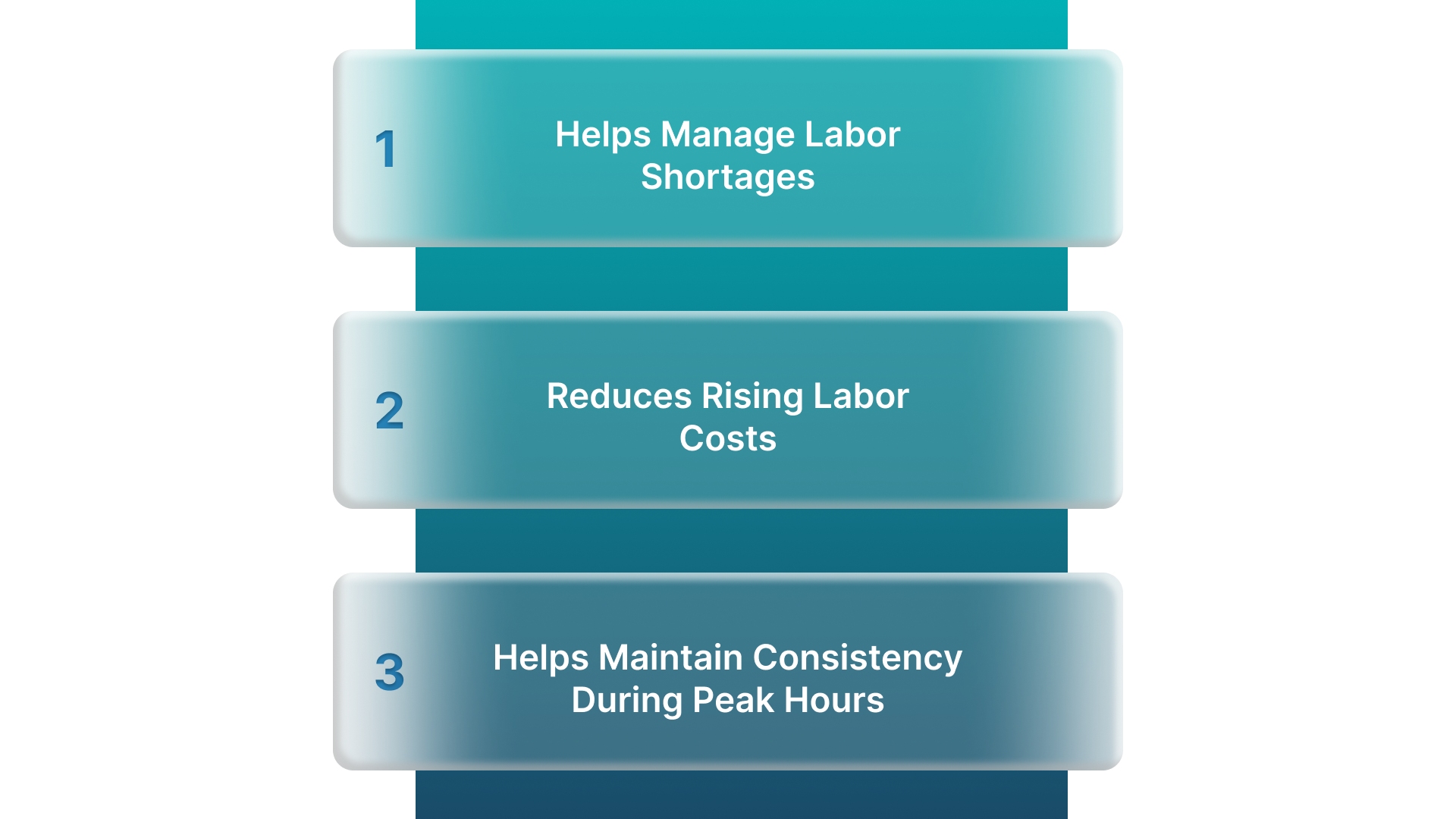
Here’s why keeping up with restaurant technology in 2026 is crucial:
-
Helps Manage Labor Shortages
Staffing shortages are one of the biggest challenges restaurants face today. Automation and robotic systems can handle repetitive tasks such as order processing and cleaning, so restaurants don’t have to rely heavily on a shrinking workforce.
These tools keep operations running smoothly with fewer staff while maintaining fast, high-quality service.
-
Reduces Rising Labor Costs
As labor costs rise, restaurants look for ways to cut overhead without affecting service. Automated ordering systems and self-checkout kiosks reduce the need for extra servers and cashiers, letting staff focus on more important tasks.
This keeps labor costs under control while ensuring customers still have a smooth, efficient experience, even during busy times.
-
Helps Maintain Consistency During Peak Hours
Busy hours are the toughest for maintaining service consistency. Automation can handle high-volume tasks like tracking inventory, routing orders, and scheduling staff so nothing slips through the cracks. These tools help restaurants meet customer expectations, even when every table is full.
As the importance of staying updated becomes clear, it naturally connects to the technology trends shaping restaurants in 2026.
Top Restaurant Technology Trends You’ll See Everywhere in 2026
In 2026, restaurants are adopting new innovations that help run operations more smoothly while improving guest satisfaction and profitability. Below are the key restaurant technology trends shaping the industry.
-
Unified Digital Ecosystems Across Ordering, POS, and Operations
In 2026, more restaurants will move toward unified digital ecosystems where online ordering, POS systems, and kitchen operations work together as one connected setup.
This kind of integration allows data to flow smoothly across systems, improving accuracy and keeping the customer experience consistent across dine-in, takeaway, and online channels.
How to Implement This Trend:
- Choose a Unified Platform: Pick a platform like Restolabs that brings ordering, menu management, and POS into one system.
- Synchronize All Channels: Make sure menus, pricing, and inventory update automatically across online and in-restaurant channels.
- Integrate POS with Kitchen Systems: Connect the POS to a KDS so orders move straight to the kitchen without delays or confusion.
- Manage Multi-location Operations: Use shared dashboards to control menus and track performance across all restaurant locations.
-
AI-Powered Personalization and Predictive Insights
AI is helping restaurants go beyond basic personalization by using customer behavior and order history to predict demand and guide decisions.
These insights make it easier to run targeted promotions, adjust menus, and plan inventory based on what customers are most likely to order.
How to Implement This Trend:
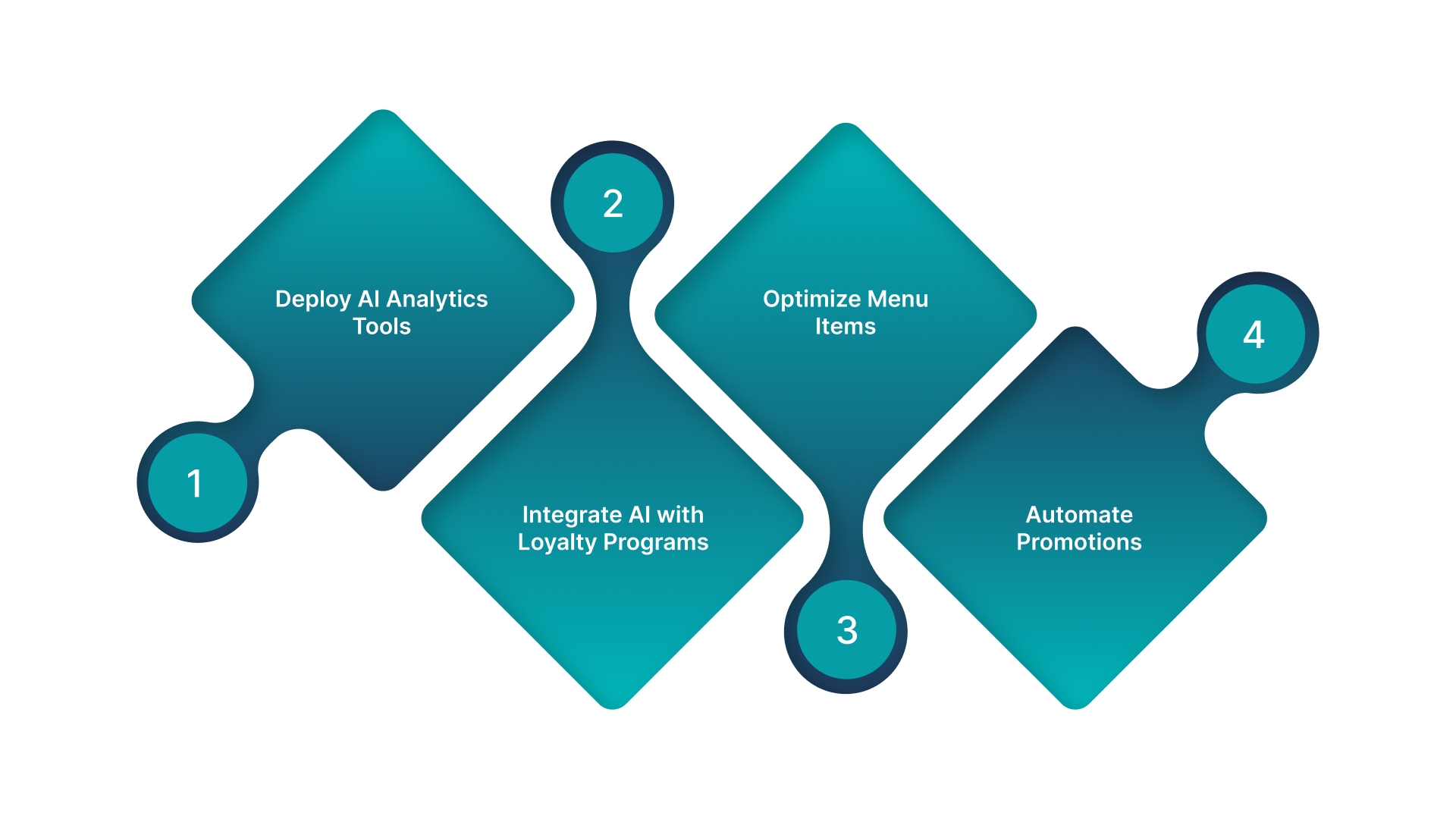
- Deploy AI Analytics Tools: Use tools that track customer preferences and buying patterns to generate useful insights.
- Integrate AI with Loyalty Programs: Analyze loyalty data to create personalized offers based on spending habits and visit frequency.
- Optimize Menu Items: Use AI predictions to identify which dishes perform best during certain seasons or peak hours.
- Automate Promotions: Set up automated campaigns that send personalized discounts or offers based on past orders.
-
Voice, Chat, and Conversational Ordering
Voice and chat-based ordering are becoming more common, giving customers the option to place orders using voice assistants or messaging apps. This approach makes ordering faster and easier, especially for repeat customers, while reducing mistakes and wait times.
How to Implement This Trend:
- Integrate Voice Assistants: Add support for tools like Google Assistant or Amazon Alexa through your app or website.
- Deploy AI Chatbots: Use chatbots on your website or via SMS to handle simple orders, questions, and reservations.
- Ensure System Compatibility: Make sure voice and chat tools connect smoothly with your POS and KDS.
- Offer Quick Reordering: Let customers reorder their favorites easily using voice commands or chat messages.
-
Contactless Dining and Smooth Self-Service Table Flows
Contactless dining has become a standard expectation for many guests. From QR code menus to mobile payments, these tools help reduce server walk-backs, speed up service, and improve the overall dining experience.
Self-service options also help restaurants manage busy hours more efficiently by letting guests order and pay directly from their phones.
How to Implement This Trend:
- Install QR Code Menus: Create table-specific QR codes so guests can view menus on their own devices.
- Integrate Mobile Payments: Enable contactless payment options like Apple Pay and Google Pay for faster checkouts.
- Automate Table Flows: Use QR systems to handle table identification, ordering, and payments in one smooth flow.
- Optimize Guest Dwell Time: Keep ordering and payment quick to reduce wait times and table congestion.
-
Smart Kitchen Automation and Back-of-House Optimization
Smart kitchen tools are changing how food is prepared and managed behind the scenes. Automation, AI, and robotics help simplify prep work, cooking, and order handling while improving consistency and reducing waste.
These systems are especially useful during peak hours when speed and accuracy matter most.
How to Implement This Trend:
- Adopt Robotic Cooking Systems: Use robots for repetitive tasks like frying or grilling to reduce workload on staff.
- Implement AI-Powered Order Flow: Align incoming orders with real kitchen capacity to avoid overloads.
- Integrate with Inventory: Connect kitchen systems with inventory tools for real-time tracking and restocking.
- Optimize for Peak Hours: Use predictive scheduling to prepare kitchens for busy periods.
-
Hyperlocal Delivery and Real-Time Visibility
Hyperlocal delivery solutions are giving restaurants more control over their delivery operations. These platforms offer real-time tracking, route optimization, and faster deliveries, helping reduce reliance on third-party apps..
How to Implement This Trend:
- Set Delivery Zones: Define delivery areas using radius or map-based zones to improve efficiency.
- Track Real-Time Deliveries: Use live tracking to show driver locations and provide accurate delivery updates.
- Integrate with POS Systems: Ensure delivery platforms sync with order and inventory systems.
- Optimize Routes: Use AI tools to plan delivery routes based on traffic and delivery time windows.
-
Margin-Driven Sustainability and Waste Intelligence
Sustainability is now closely tied to profitability. By using AI-powered waste tracking and demand forecasting, restaurants can reduce food waste while keeping costs under control.
These tools support better portioning, smarter purchasing, and menu planning that benefits both the business and the environment.
How to Implement This Trend:
- Deploy Waste Tracking Tools: Monitor food waste, overproduction, and spoilage using AI-based systems.
- Use Predictive Demand Forecasting: Forecast ingredient needs based on sales data, seasons, and upcoming events.
- Optimize Purchasing: Adjust order quantities and portion sizes using data-backed insights.
- Improve Menu Design: Refine menus based on ingredient usage and waste reduction opportunities.
-
AI-Driven Customer Feedback Analysis
In 2026, AI will play a bigger role in helping restaurants understand what customers are really saying.
Instead of manually reading through reviews and comments, AI tools can scan online reviews, surveys, and social media posts to spot common trends, complaints, and positive signals.
How to Implement This Trend:
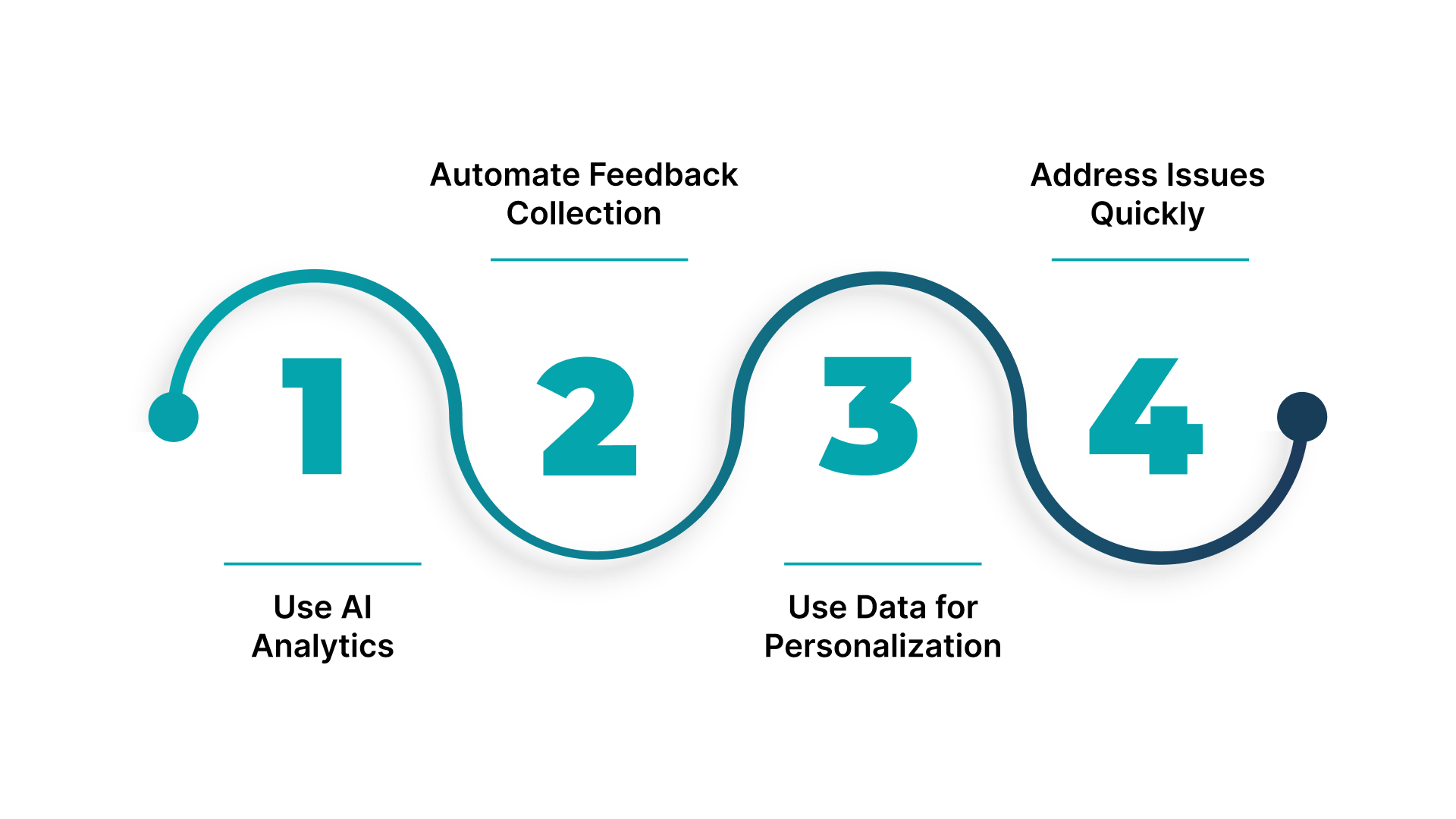
- Use AI Analytics: Utilize AI tools to analyze reviews and social media mentions across platforms and identify recurring issues or strong positives.
- Automate Feedback Collection: Set up automatic feedback requests after each visit to collect timely and consistent responses.
- Use Data for Personalization: Apply feedback insights to personalize experiences, such as targeted offers or loyalty rewards.
- Address Issues Quickly: Flag negative or urgent feedback automatically so teams can respond and resolve issues faster.
-
AI-Powered Menu Optimization
AI is helping restaurants make smarter menu decisions by analyzing sales data, customer preferences, and seasonal trends. These insights show which dishes sell well, which bring better margins, and how items perform at different times of the day or week.
How to Implement This Trend:
- Track Menu Item Performance: Use AI analytics to understand sales patterns and identify items that need improvement or replacement.
- Optimize Pricing: Adjust prices using data-backed insights into demand, customer behavior, and market trends.
- Offer Dynamic Menus: Use AI tools to update menus based on real-time demand, ingredient availability, and customer interest.
- Seasonal Menu Adjustments: Rely on AI forecasting to plan seasonal dishes and rotate menus at the right time.
-
Blockchain for Supply Chain Transparency
Blockchain is gaining attention as a way for restaurants to bring more transparency to their supply chains. It allows restaurants to track ingredients from source to plate, helping confirm food safety, ethical sourcing, and sustainability practices.
This level of visibility builds trust with customers who care about where their food comes from.
How to Implement This Trend:
- Adopt Blockchain Platforms: Work with supply chain platforms that use blockchain for ingredient tracking.
- Track Ingredients: Verify the origin of ingredients to ensure they meet ethical and sustainability standards.
- Ensure Food Safety: Monitor storage, transport, and handling data to maintain food safety throughout the supply chain.
- Communicate Transparency: Use QR codes on menus so customers can view ingredient sourcing details in real time.
-
Contactless Self-Checkout Systems
Contactless self-checkout is becoming a preferred option for faster and smoother payments.
These systems let guests pay directly from their phones or by scanning QR codes at the table, cutting down wait times and reducing the need for staff to handle payments.
How to Implement This Trend:
- Install Self-Checkout Kiosks: Set up kiosks where guests can scan QR codes, browse menus, place orders, and pay on their own.
- Enable Mobile Payment Integration: Support mobile wallets and restaurant apps for quick, touch-free payments.
- Integrate with POS: Connect self-checkout systems with your POS to keep orders and payments updated in real time.
- Offer Smooth Post-Meal Payments: Allow guests to close their bill directly from their phones to reduce wait times and improve satisfaction.
As these technology trends take hold across the industry, it’s easier to identify the practical ways they’re already shaping how restaurants operate in 2026.
10 Ways Restaurants Are Using AI to Improve Operations in 2026
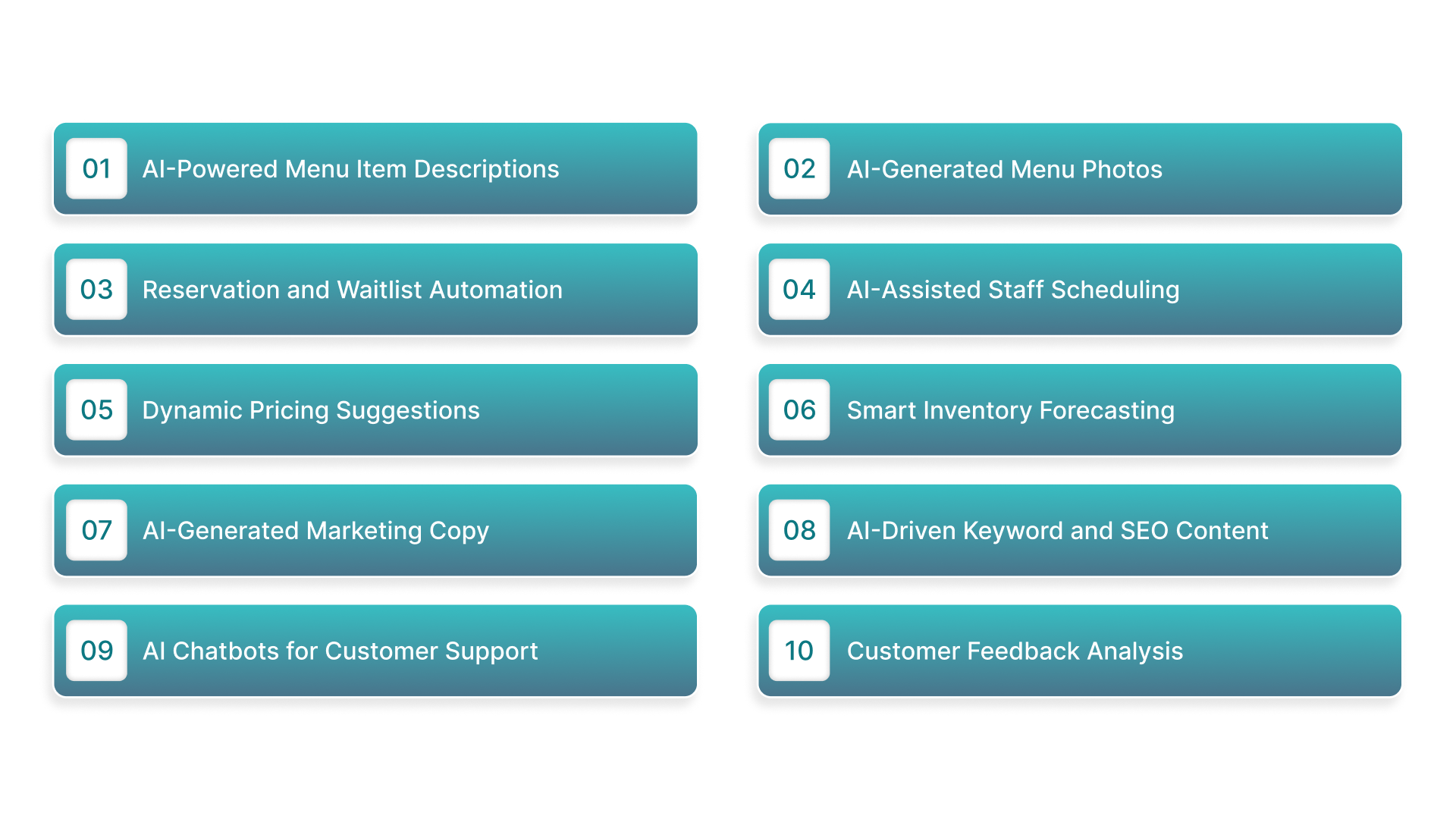
In 2026, AI offers practical ways to solve everyday restaurant challenges, from handling repetitive tasks to supporting better customer service. By using AI, restaurants can run operations more efficiently, control costs, and improve the overall dining experience.
-
AI-Powered Menu Item Descriptions
Writing menu descriptions that sound appealing and are clear can be difficult. AI makes this easier by creating short, accurate descriptions that highlight ingredients, flavors, and dietary details for both dine-in and online menus.
- Describe dishes clearly and simply.
- Highlight key ingredients and flavors customers care about.
- Maintain a consistent brand voice across the menu.
- Update descriptions quickly when recipes change.
-
AI-Generated Menu Photos
Great visuals matter, especially for online menus and promotions. Not every restaurant can afford professional photography, but AI can create realistic and appealing food images that help dishes stand out.
- Create consistent, professional-looking images for every menu item.
- Try different styles and backgrounds to improve presentation.
- Update menu photos easily without scheduling photo shoots.
- Create visuals for new dishes even before they are prepared.
-
Reservation and Waitlist Automation
Handling reservations manually can lead to errors and long waits. AI systems manage bookings, predict busy periods, and organize waitlists, making front-of-house operations smoother.
- Automatically manage reservations and waitlists.
- Predict peak dining hours using historical data.
- Reduce double bookings and missed reservations.
- Send booking reminders and real-time updates to guests.
-
AI-Assisted Staff Scheduling
Manual scheduling often leads to gaps or overlaps. AI creates smarter schedules based on sales trends, busy periods, and staff availability, helping restaurants stay properly staffed.
- Build weekly schedules faster and with fewer mistakes.
- Align staffing levels with expected customer demand.
- Avoid overstaffing or understaffing during peak times.
- Plan for weekends, holidays, and special events.
-
Dynamic Pricing Suggestions
AI helps restaurants adjust prices based on demand, weather, and local events. This allows restaurants to increase revenue during busy times and stay competitive when traffic slows down.
- Suggest lower prices during slow hours or poor weather.
- Raise prices during high-demand periods like weekends.
- Promote bundle deals for slow-selling items.
- Improve revenue while keeping pricing fair for customers.
-
Smart Inventory Forecasting
Managing inventory well helps reduce waste and control costs. AI uses past sales data, seasonal trends, and upcoming events to predict demand, so restaurants order the right amount at the right time.
- Estimate demand for each dish based on previous sales.
- Track ingredients that are running low or sitting unused.
- Plan purchasing using real-time sales data.
- Reduce food waste and improve cost control with better forecasts.
-
AI-Generated Marketing Copy
Marketing takes time, but AI helps restaurants create strong content much faster. It can write menu copy, social media posts, emails, and more without needing a dedicated marketing team.
This saves time and helps restaurants stay visible and connected to customers, even if marketing isn’t their strength.
- Write menu highlights that grab attention and drive orders.
- Create social media posts for platforms like Facebook, Instagram, and Google Business.
- Draft email newsletters without starting from zero.
- Keep content fresh and up to date without relying on outside marketers.
-
AI-Driven Keyword and SEO Content
AI tools help restaurants improve online visibility by identifying the right keywords and suggesting content ideas based on customer search queries. This is especially useful for local restaurants looking to improve search rankings without hiring an SEO agency.
- Find local keywords that match your cuisine and location.
- Generate SEO-friendly blog topics and short descriptions.
- Write location-based landing pages to attract nearby customers.
- Improve local search presence in crowded food and delivery listings.
-
AI Chatbots for Customer Support
AI chatbots handle everyday customer interactions, such as answering questions, taking reservations, and assisting with orders. They work around the clock, reducing pressure on staff and improving response times.
- Answer common questions at any hour.
- Share menu details and assist with ordering.
- Help with reservations and special requests.
- Support staff during busy periods while improving service speed.
-
Customer Feedback Analysis
AI reviews customer feedback from online reviews, social media, and surveys to spot patterns. This helps managers understand what guests like, where issues occur, and how to improve service more quickly.
- Analyze feedback across multiple platforms in one place.
- Identify common praise and recurring complaints.
- Fix issues early before they impact reputation.
- Track trends in taste, service, and pricing to guide better decisions.
Seeing how AI is already reshaping restaurant operations makes the expanding role of robotics in 2026 easier to understand.
How is Robotics Used Across Restaurant Operations in 2026?
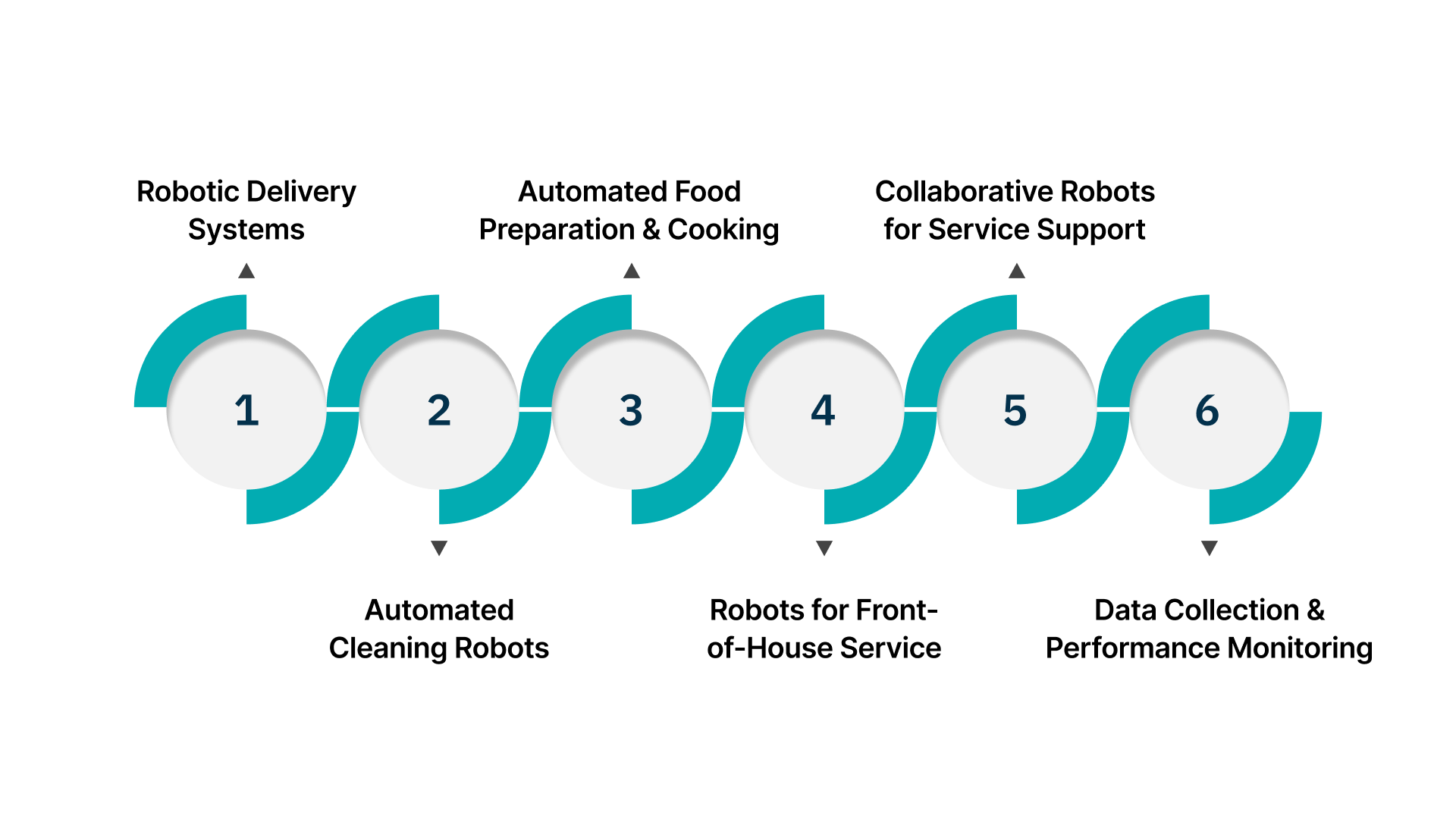
Robotics is becoming a core part of how mid-sized to large-sized restaurants operate. It is helping restaurants simplify operations, improve service quality, and manage labor costs more effectively. Here’s how robotics is being used across restaurant operations:
-
Robotic Delivery Systems
As delivery continues to grow, robotic delivery systems help restaurants move orders faster and more accurately. Autonomous robots deliver food from the kitchen to customers, cutting delivery times and reducing errors.
This makes delivery operations more efficient and lowers the need for human drivers during busy periods.
-
Automated Cleaning Robots
Keeping restaurants clean during high-traffic hours can be tough. Cleaning robots handle routine tasks such as sweeping, mopping, and surface sanitization. They help maintain hygiene standards without adding extra workload for staff, even during peak hours.
ToDo Robotics offers robots that are specifically designed to handle these tasks efficiently, ensuring a smooth dining experience even during busy periods.
-
Automated Food Preparation and Cooking
Robots are changing how kitchens handle food prep by taking on repetitive tasks such as chopping, mixing, and cooking. AI-powered kitchen robots prepare food quickly and consistently, which helps maintain quality across every dish.
This gives chefs more time to focus on creativity and complex tasks while robots manage the routine work.
-
Robots for Front-of-House Service
Front-of-house robots like BellaBot and KettyBot help speed up food delivery while adding a modern touch to the dining experience. By handling food runs and simple interactions, these robots reduce wait times and free staff to focus on guest care.
Features like voice prompts and touchscreens also make the experience more engaging for customers.
-
Collaborative Robots for Service Support
Collaborative robots, often called cobots, work alongside staff in both the kitchen and dining area. They assist with tasks such as food prep, drink service, and guiding guests to their tables.
By taking over repetitive work, cobots allow staff to spend more time connecting with guests while keeping operations efficient.
-
Data Collection and Performance Monitoring
Robots also help restaurants gather useful data on daily operations. With built-in sensors, they track metrics such as wait times, order accuracy, and service flow.
This information helps operators make smarter decisions around staffing, menu planning, and guest experience, supporting steady improvements over time.
How does ToDo Robotics Support Restaurant Workflow?
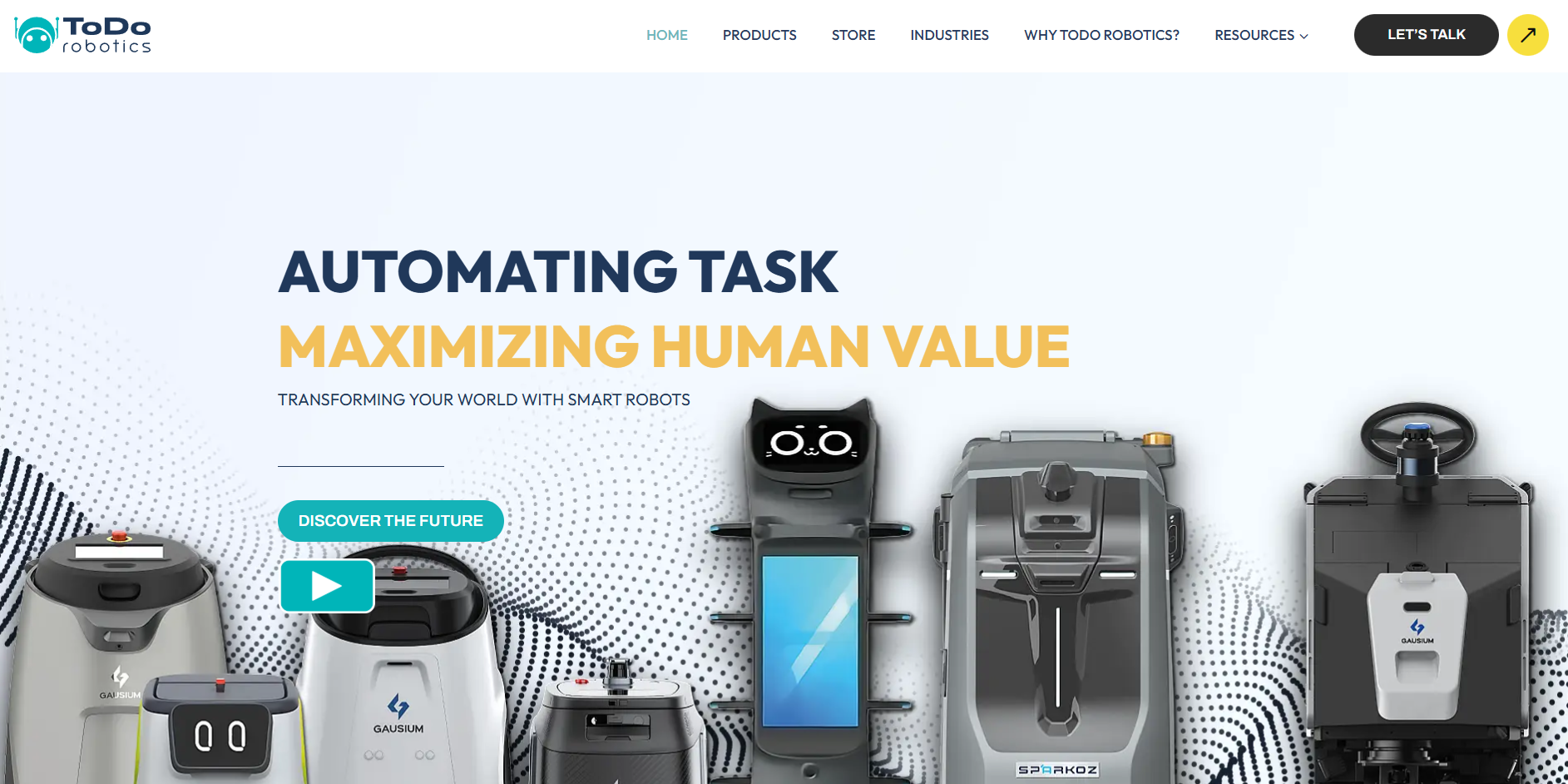
ToDo Robotics helps restaurants run more smoothly by using AI to automate everyday tasks like food delivery, cleaning, and internal movement. These routine jobs often slow things down and add pressure on staff, especially when teams are short-handed.
By introducing robotic solutions, ToDo Robotics helps reduce labor costs and improve efficiency while maintaining high service quality. It provides safe and reliable solutions designed for busy, high-traffic spaces.
These robots are already in use across restaurants, hotels, and large facilities where consistency and performance matter.
Here’s how ToDo Robotics fits AI into restaurant workflows:
- BellaBot Pro: A customer-friendly delivery robot built for restaurants and hospitality spaces, with high carrying capacity and an interactive design that improves the guest experience.
- PuduBot 2: A multi-tray delivery robot designed for busy service environments, helping move items efficiently and reduce staff workload during peak hours.
- KettyBot Pro: A versatile robot that combines food delivery, navigation, and on-screen messaging, making it well-suited for customer-facing spaces.
- CC1 & Vacuum 40: Autonomous cleaning robots that help maintain consistent cleanliness with minimal hands-on effort.
ToDo Robotics works closely with restaurants to identify where automation adds the most value. With hands-on demos and tailored deployments, the team ensures AI solutions fit smoothly into existing systems and workflows without adding unnecessary complexity.
Final Thoughts
Integrating automation into your restaurant goes beyond keeping up with trends. It’s about improving service and building operations that can scale over time.
As staffing challenges and costs continue to rise, using robots for routine tasks like delivery, cleaning, and internal movement helps your team stay focused on what truly matters.
ToDo Robotics brings this approach into real-world restaurant environments by deploying autonomous robots for delivery, cleaning, and internal transport. With proven technology, flexible deployment options, and hands-on support, teams can add automation to daily operations smoothly and without disrupting service.
Take the first step into automation with ToDo Robotics and change your restaurant into a more efficient operation.
FAQs
Q1. How do I integrate AI and robotics into my existing restaurant operations?
A1. Start by identifying repetitive tasks like order processing, cleaning, or food delivery that slow your team down. Choose AI or robotic tools that fit those needs, such as smart kiosks or delivery robots. Work with vendors to connect these systems to your POS and train your staff so the transition feels smooth.
Q2. What is the cost of implementing AI and robotics in a restaurant?
A2. The cost depends on the type of technology you choose and the size of your restaurant. While the upfront investment may seem high, reduced labor costs and better efficiency often offset it over time. Many vendors also offer leasing or financing options, making automation more affordable.
Q3. Are robots safe to use in a restaurant environment?
A3. Yes, robots are designed with safety in mind. They use sensors and cameras to avoid obstacles and move safely around staff and guests. Regular maintenance helps ensure they continue to operate smoothly and safely.
Q4. Can robots help reduce food waste in my restaurant?
A4. Yes, AI-powered systems reduce food waste by predicting demand more accurately. They track sales data to help manage inventory and portion sizes. This allows you to order only what you need, avoiding excess waste.
Q5. How does AI improve the guest experience in my restaurant?
A5. AI improves the guest experience by making service faster and more accurate. Tools like voice or chat-based ordering reduce errors and speed up the process. Automation also frees staff to spend more time engaging with guests.