
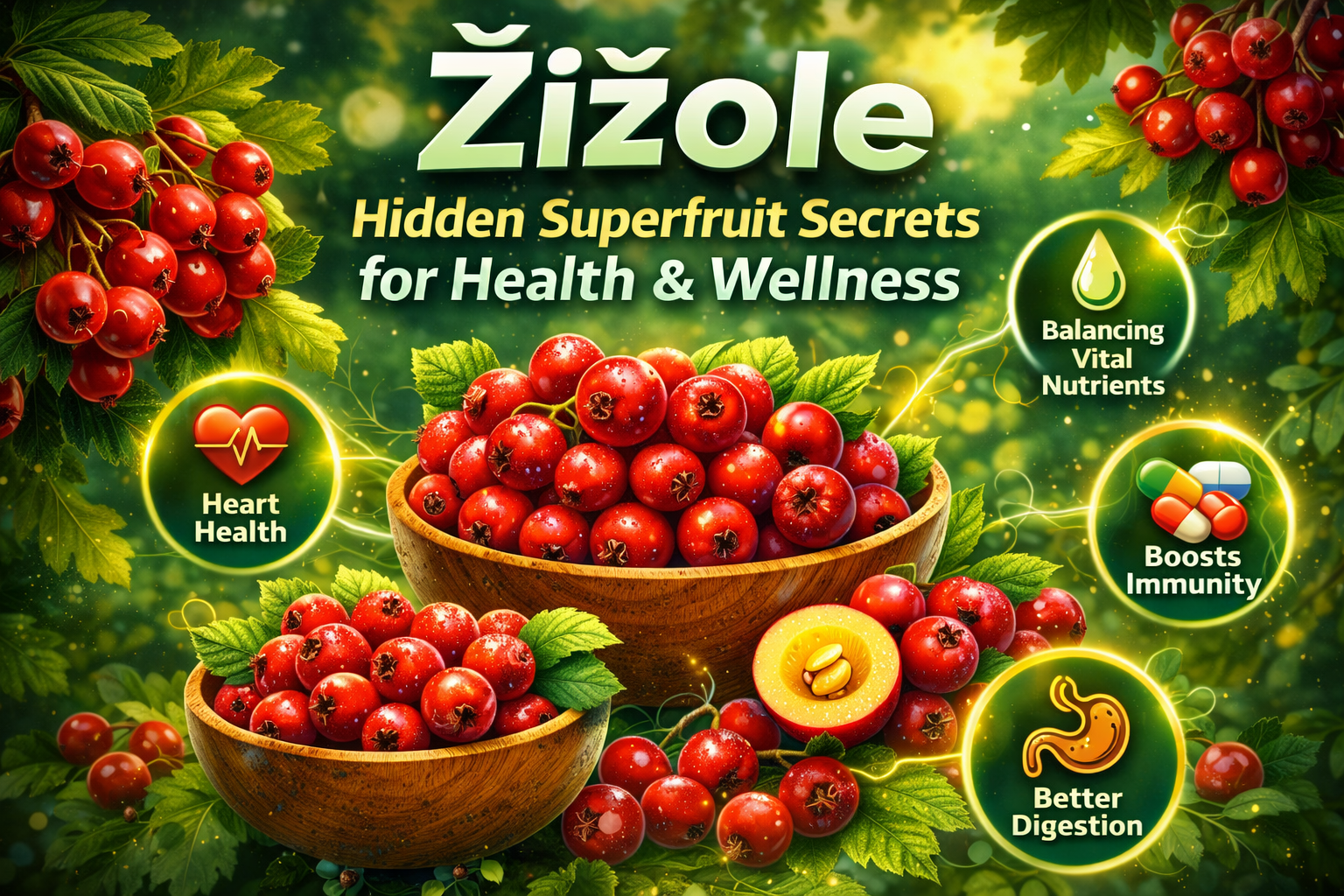
Žižole. Hidden Superfruit Secrets for Health and Wellness
Žižole is a small fruit with a long history and growing interest in modern nutrition. While still unfamiliar to many people in the United States, žižole has been used for centuries in traditional diets and natural remedies. Today, its nutritional profile and health benefits make it relevant for anyone looking for functional foods backed by science.
This guide explains what žižole is, how it is used, and whether it deserves a place in your diet.
Origins and Cultural Significance
Žižole, also known as jujube or žižola, originates from Asia but spread widely across Southern Europe and the Mediterranean. It has been cultivated for thousands of years due to its resilience and medicinal value.
In traditional cultures, žižole was used to support digestion, calm the nervous system, and strengthen immunity. In Slovenia, Croatia, and Italy, žižole v žganju is a well-known preparation where the fruit is preserved in alcohol as a digestive aid.
Its continued use across regions shows practical value, not marketing hype.
Nutritional Profile
Žižole offers a strong nutritional return for its size.
It contains vitamin C, potassium, magnesium, iron, and dietary fiber. It also provides natural antioxidants such as flavonoids and polysaccharides.
Compared to žižola varieties, dried žižole contains higher sugar concentration but also higher antioxidant density. Fresh fruit offers more hydration and lower calorie load.
Key nutritional strengths include:
-
High vitamin C content for immune support
-
Natural fiber for gut health
-
Low fat and cholesterol-free
-
Plant compounds linked to reduced inflammation
This makes žižole suitable for balanced diets when consumed in moderation.
Health Benefits of Žižole
Digestive Health
Žižole contains soluble fiber that supports regular digestion and feeds beneficial gut bacteria. Traditional use for stomach comfort aligns with modern digestive research.
Sleep and Stress Support
One of the most researched benefits of žižole is its calming effect. Compounds in the fruit interact with neurotransmitters that promote relaxation. This explains why žižole is often used in teas and evening remedies.
Immune System Support
Vitamin C and antioxidants help reduce oxidative stress and support immune response. Regular intake may assist the body during seasonal illness periods.
Heart and Blood Sugar Health
Žižole has a lower glycemic impact than many dried fruits. Potassium supports blood pressure balance, while antioxidants help protect blood vessels.
These benefits are not miracle claims. They are consistent with nutritional science when žižole is used as part of a healthy diet.
Culinary Uses
Žižole is versatile.
Fresh žižole can be eaten raw, similar to apples. Dried žižole is commonly used in teas, snacks, and desserts.
Žižole v žganju is a traditional alcoholic infusion where the fruit is soaked in brandy. It is consumed in small amounts, mainly for digestion.
Other uses include:
-
Herbal teas for relaxation
-
Baking in bread and pastries
-
Natural sweetener replacement in recipes
Flavor is mildly sweet with a crisp texture when fresh and chewy when dried.
Žižole vs Dates
Žižole and dates are often compared due to appearance and sweetness.
Dates contain more calories and sugar. Žižole contains more vitamin C and a lighter glycemic impact.
Dates work well for energy and endurance. Žižole suits digestion, immunity, and sleep support.
Neither is superior overall. The choice depends on dietary goals.
Safety and Consumption
Žižole is generally safe for healthy adults.
However, excessive consumption of dried žižole may cause bloating due to fiber content. People with blood sugar sensitivity should monitor portions.
Those on sedative medication should consult a healthcare professional before using žižole for sleep.
Moderation matters.
Conclusion
Žižole is not a trend fruit. It is a historically proven food with real nutritional value.
It supports digestion, immunity, and relaxation without extreme claims. Its versatility makes it easy to include in modern diets.
For people seeking functional foods backed by tradition and nutrition science, žižole is worth trying.
FAQ Section
Is žižole the same as a date?
No. They are different fruits. Žižole has lower sugar and more vitamin C.
Can I eat žižole fresh?
Yes. Fresh žižole is crisp and mildly sweet.
Does žižole help with sleep?
Yes. It contains compounds linked to relaxation and improved sleep quality.
Where can I find žižole?
Specialty grocery stores, Asian markets, and online retailers in the USA.
Are there any side effects?
Overconsumption may cause digestive discomfort. Moderation is recommended.